
Hymn 581 – Christian Science Hymnal
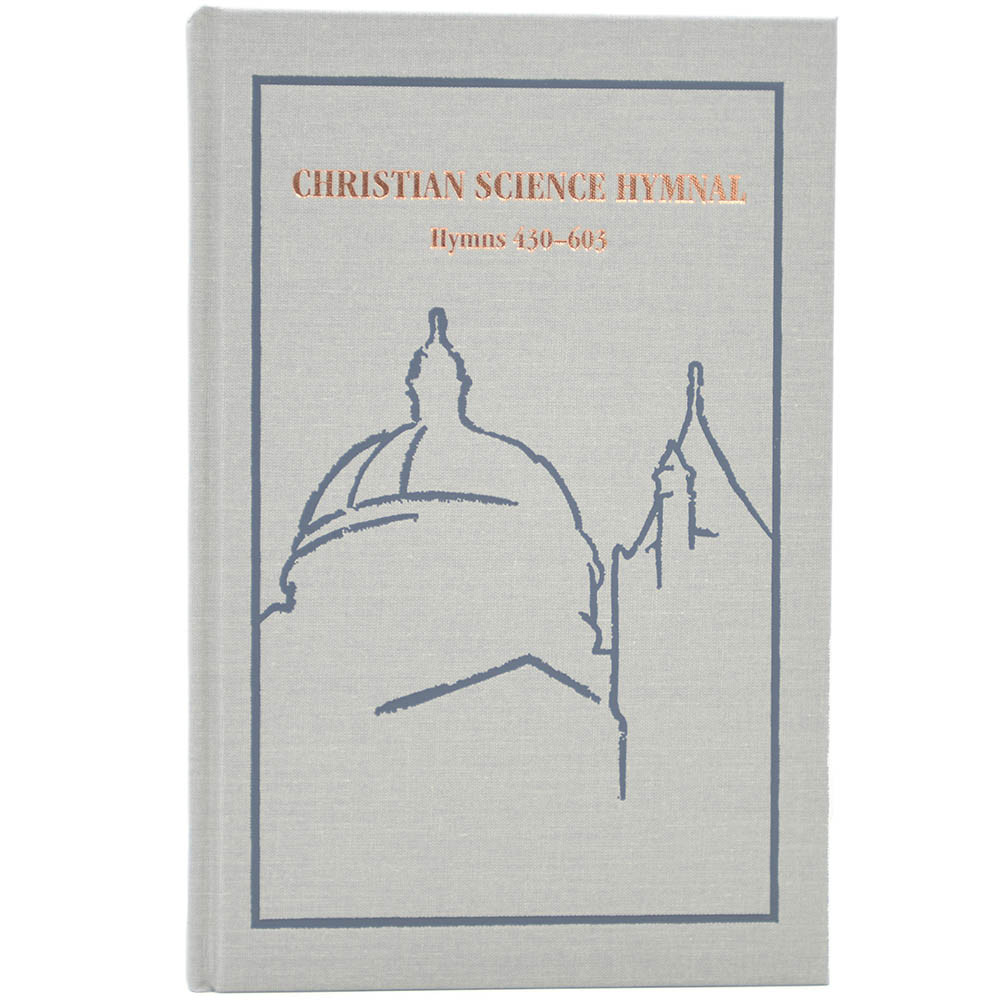
Around 2014, the Christian Science church published a request for composers to submit new music to be considered for inclusion in an upcoming hymnal (which became the 2017 Christian Science Hymnal: Hymns 430-603). The request included two lists: the first of desired musical styles, and the second of hymns from the original 1932 hymnal for which new musical settings were encouraged.
One of my submissions, which I named “Andalucia”, was accepted and became Hymn 581! The process by which I wrote it was very different for me compared to my other compsitions, due largely to the submission requirements. Here’s how it came together:
Musical Genre & The Andalusian Cadence
One of the music genres listed in the request was simply “Spanish”, which jumped out to me in part because I’d recently been exposed to amazing Spanish-style guitar music at a poetry festival with my wife in Granada, Nicaragua. I started doing some composer research and soon came across the Andalusian Cadence, or Cadencia Andaluza, which is a core part of flamenco music from the Andalucía region in Spain.
The chord progression descends from a minor i chord to the V dominant chord, which then resolves back to the i chord and the progression starts over. It’s actually used quite often in many popular songs that we all know and love — but the Andalusian Cadence’s most quintessential placement, for me, is on an acoustic guitar played in flamenco music, preferably accompanied by clicking high heels or castanets. Not unlike the flamenco dance in the opening scene of Mission: Impossible II, which I’ve always found captivating. (Tessa and I actually attended a similar dance in Barcelona in 2015, though we didn’t notice any spies making eyes at each other.)
Original Hymn Lyrics
With those chords in my pocket, I started looking through the list of hymns from the 1932 hymnal. Before long, I turned the page to Hymn 339. Reading it as a poem, I was riveted. The verb inversion and Victorian-era language evoke, for me, deep struggles that earlier generations have overcome through their faith and recorded for posterity. The Andalusian Cadence was a great match with its minor tonality and how the progression elicits a timeless quality that can sound both centuries-old and current. I slowed the chords to a slowish 6/8 time, and it fit perfectly with the lyrics!
The overarching theme of this poem by William P. McKenzie seems to be the journey from a dark place (loneliness, fear, sinful thought, sorrow, etc.) through knowing the truth of God’s love for us to the discovery of being in a place of light and inspiration, with “all things made new.”
You may view Hymn 339 of the Christian Science Hymnal, which is copyrighted by The Christian Science Board of Directors.
Progression for the 3rd Verse
HOWEVER: although the lyrics can fit strophically (meaning multiple verses over the same music) on the Andalusian Cadence, the darker, minor sound didn’t seem to fit the 3rd verse as well as the first two. The 3rd verse has left behind the “shade” and “night”, climbing upward and Godward. My composing work was not done.
I realized I had to go major for the 3rd verse. But straight major I, IV, and V chords came across as a little out of touch with the first part of the tune. So, I considered progressions with the go-to minor tonality, the relative minor (vi), but that didn’t have the timeless quality that matched. Since my tonic was now major (D major) for the first measure of the 3rd verse, I had to go somewhere besides another major chord. Finally, I stumbled across the minor iv, which is to say the “minor 4 chord”. This fit so perfectly. I was in a major key, but with a dramatic minor chord to play off of.
But my work was still not done: I had altered where the rhythm of the lyrics fall to highlight the major chord, and everything was perfect until the last two phrases. I don’t remember how long it took to figure this part out, or how many ideas I tried. But by the grace of God (and I mean that literally), I eventually returned to the Andalusian Cadence that I’d started with and laid that down, with a little rewinding in the progression and this time starting with the major. ¡Vamos!
The Final, Published Work
The copyright to Hymn 581 is owned by the Christian Science Board of Directors, but has been made available online:
Solo Piano Version
I released a 🎧solo piano version of Andalucia on my 2015 piano album Piano on 24th where I tried to make the piano sound as much like an acoustic guitar as possible. Have a listen!